SpaceX Launches 130 Satellites from Vandenberg on Transporter-18
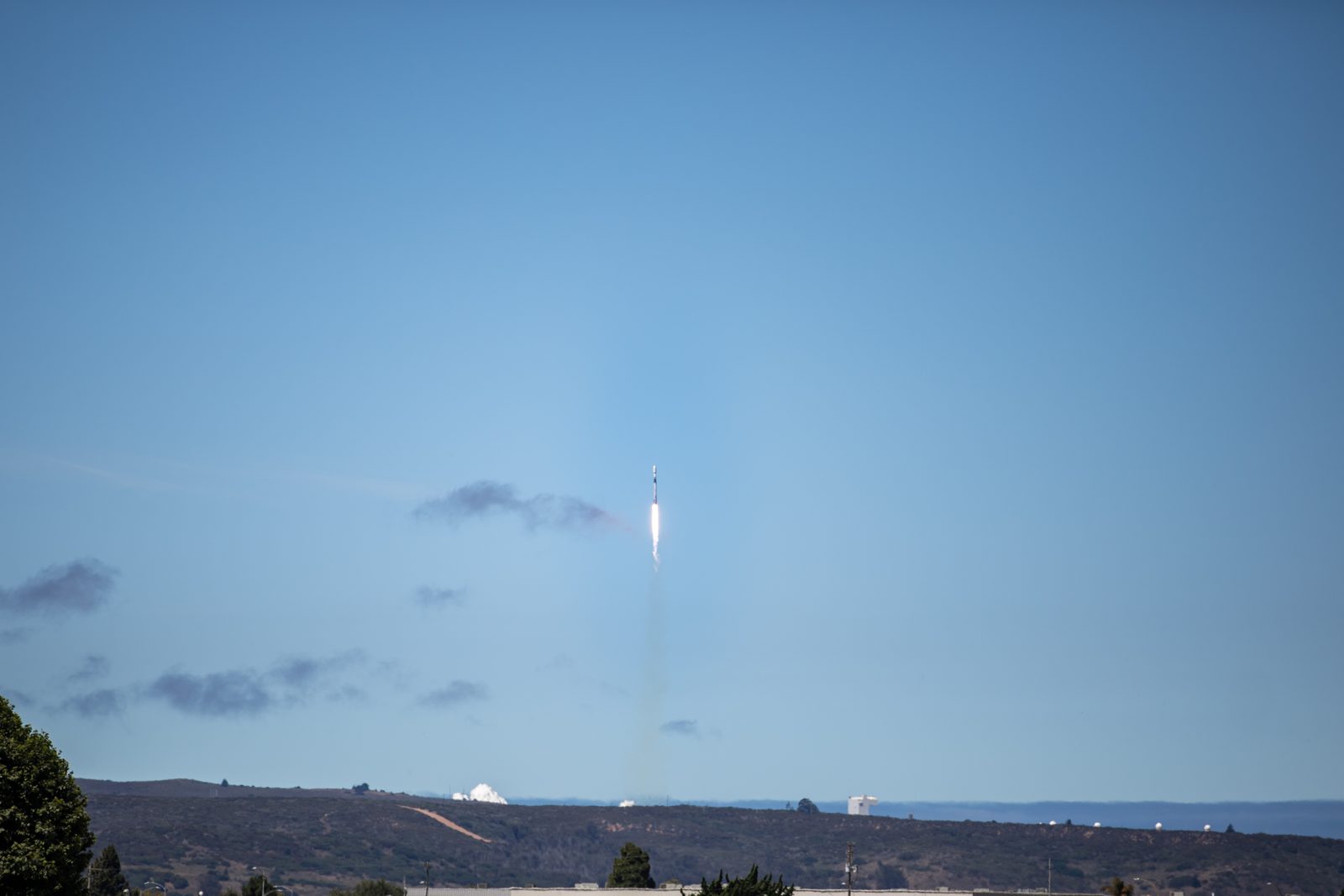
The Falcon 9 rideshare mission lifted off at 11:32 a.m. Thursday, carrying payloads from Google, NASA and dozens of commercial operators. The booster landed back at the base.
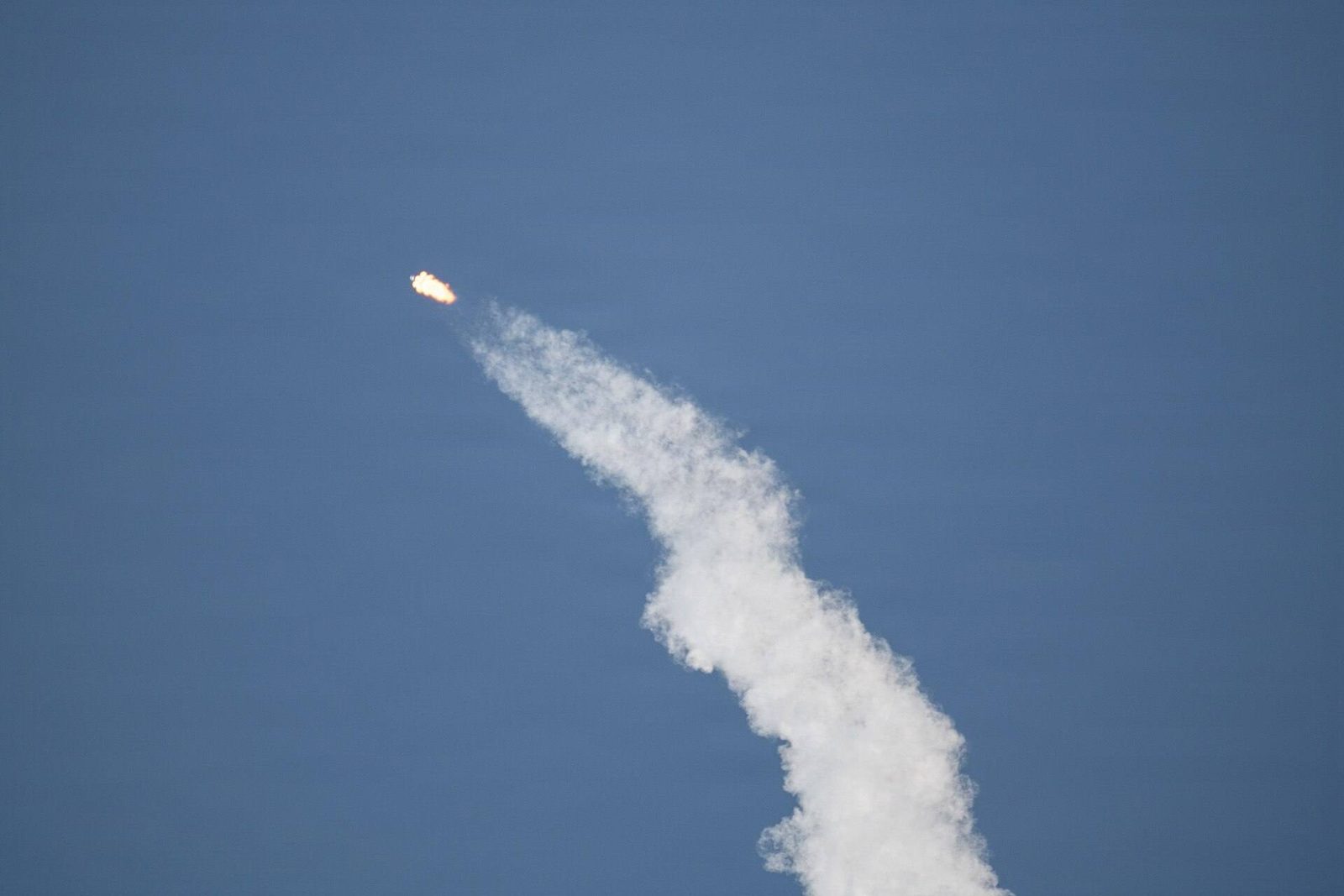
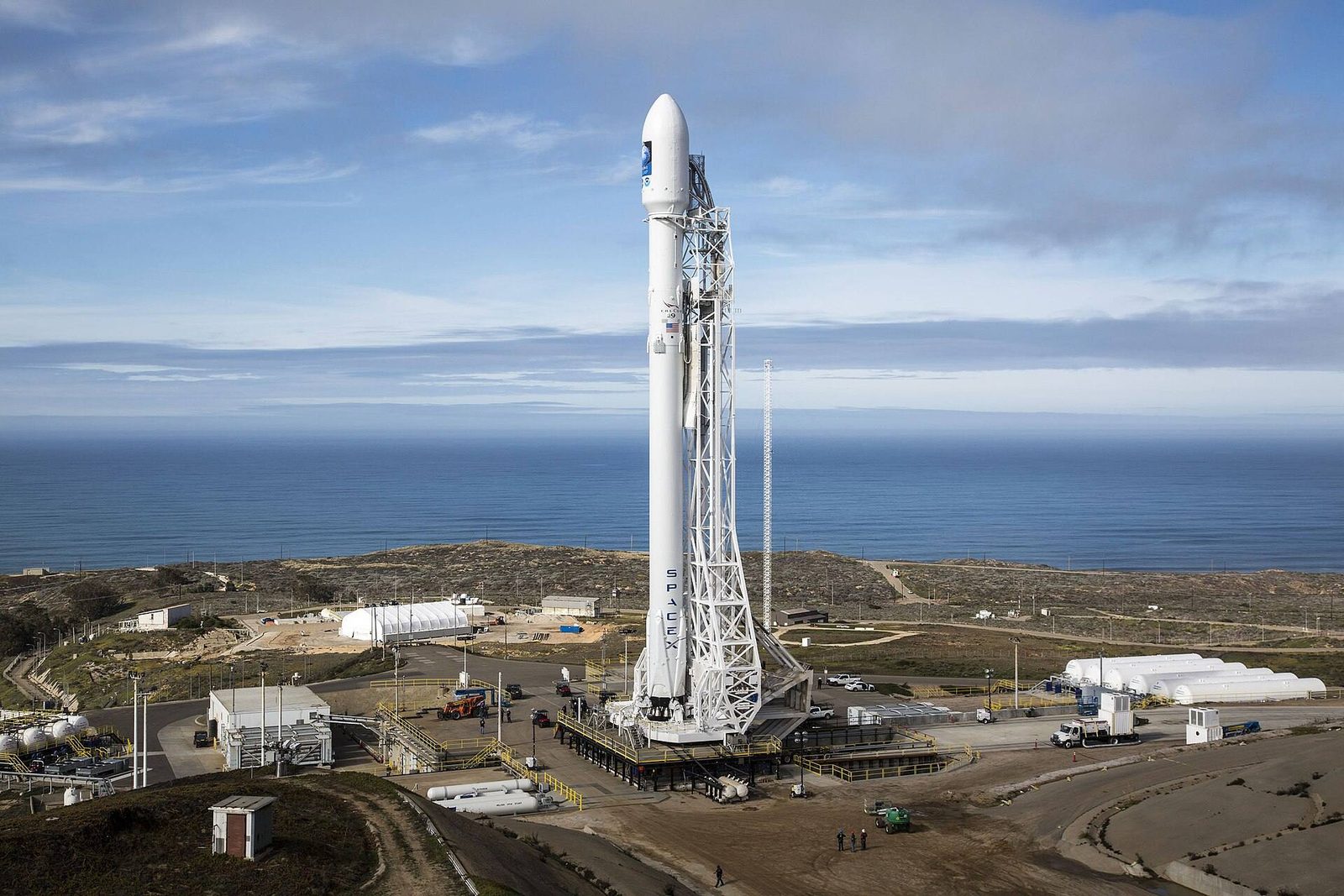
A SpaceX Falcon 9 rocket lifted off from Space Launch Complex 4-East at Vandenberg Space Force Base at 11:32 a.m. Thursday, carrying 130 payloads into a sun-synchronous orbit on the company's Transporter-18 rideshare mission. The liftoff came 14 minutes into a 58-minute window that opened at 11:18 a.m.
The flight was the 110th Falcon 9 mission of 2026, according to NASASpaceFlight. The first-stage booster, designated B1082, was on its 25th flight, having previously launched the Starlink 7-9 mission, 20 more Starlink flights, and the USSF-62, OneWeb 20 and NROL-145 missions.
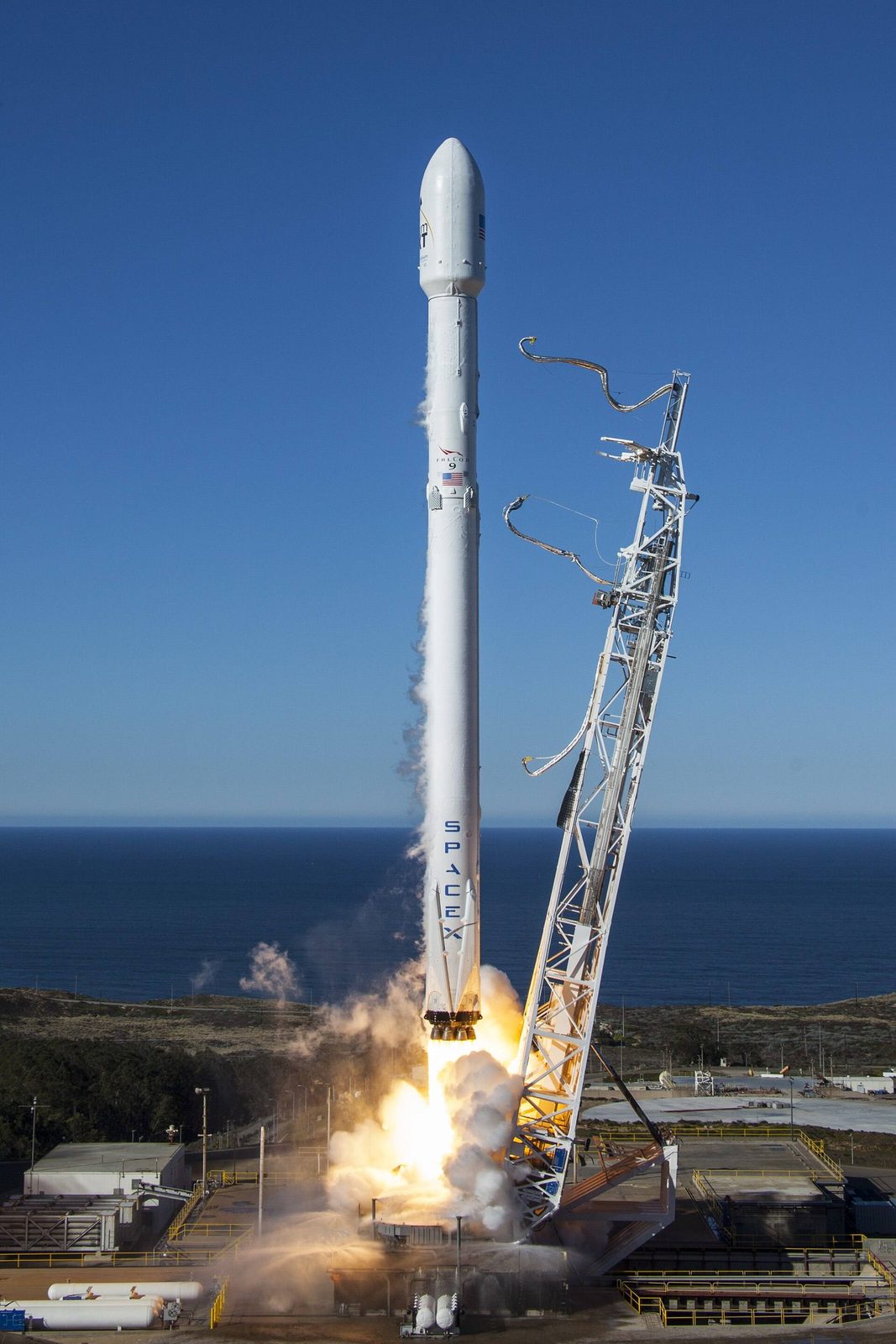
After stage separation, the booster turned back and touched down at Landing Zone 4 near the launch pad. The upper stage released its payloads over an 11-minute span beginning about 54 minutes after liftoff, after a southerly climb over the Pacific.
One of the most closely watched payloads was Google's Project Suncatcher M1 prototype, an experimental satellite designed to test data-processing hardware in orbit as a step toward future space-based data centers. It is meant to evaluate how Google's Tensor Processing Units handle launch vibration, space radiation and chip cooling.
NASA-sponsored payloads included the SPRITE CubeSat, which will study shock waves in supernova remnants and ionizing radiation from star-forming galaxies, and a green-propulsion experiment testing a low-toxicity propellant for spacecraft that can switch between high-power and high-efficiency maneuvers.
Starfish Space's Otter, a 335-kilogram servicing vehicle, rode along under a NASA contract to autonomously inspect dead U.S.-owned satellites over a mission lasting up to two years, a precursor to future life-extension and deorbiting missions.
The final releases belonged to Varda Space's W-8 and W-9 satellites, which carry small factories for producing pharmaceuticals or other materials that return to Earth in a reentry capsule. Deployer company Exolaunch accounted for 45 of the mission's satellites, including Earth-observation spacecraft for Finland's ICEYE constellation.
GHGSat, a Montreal company that tracks methane leaks from orbit, said its C-18 and C-19 satellites, named Eleanor and Aidan after employees' children, deployed successfully. "Methane might be invisible to the naked eye, but its reduction has tangible impacts for the planet," chief executive Stephane Germain said in the company's announcement.
Rideshare missions like Transporter-18 may not continue past 2028, as SpaceX gradually winds down Falcon 9 operations in favor of Starship, according to NASASpaceFlight. Three more Transporter flights remain on the Falcon 9 manifest, with Transporter-19 scheduled for no earlier than February 2027.
None to date. The Tribune corrects errors promptly and transparently. Read our corrections policy.