The Funk Zone and Downtown, Explained
Two sides of the same city center: the warehouses by the waterfront and the main street that turned itself into a promenade.
SANTA BARBARA: Downtown Santa Barbara is really two districts wearing one name. There is State Street, the commercial spine, and the Funk Zone, the old industrial pocket by the waterfront. Together they form the city's walkable center, and understanding both is the fastest way to understand the city.
The Funk Zone spent most of the 20th century as working Santa Barbara: grain mills, fishing operations, manufacturing and even Lockheed facilities, housed in warehouses between the Amtrak rail line and Highway 101. Over time, artists moved into the empty industrial space, and the nickname stuck. Today the roughly dozen blocks are filled with tasting rooms, breweries, galleries and restaurants, but the warehouse bones are still visible in the corrugated siding and the loading docks.
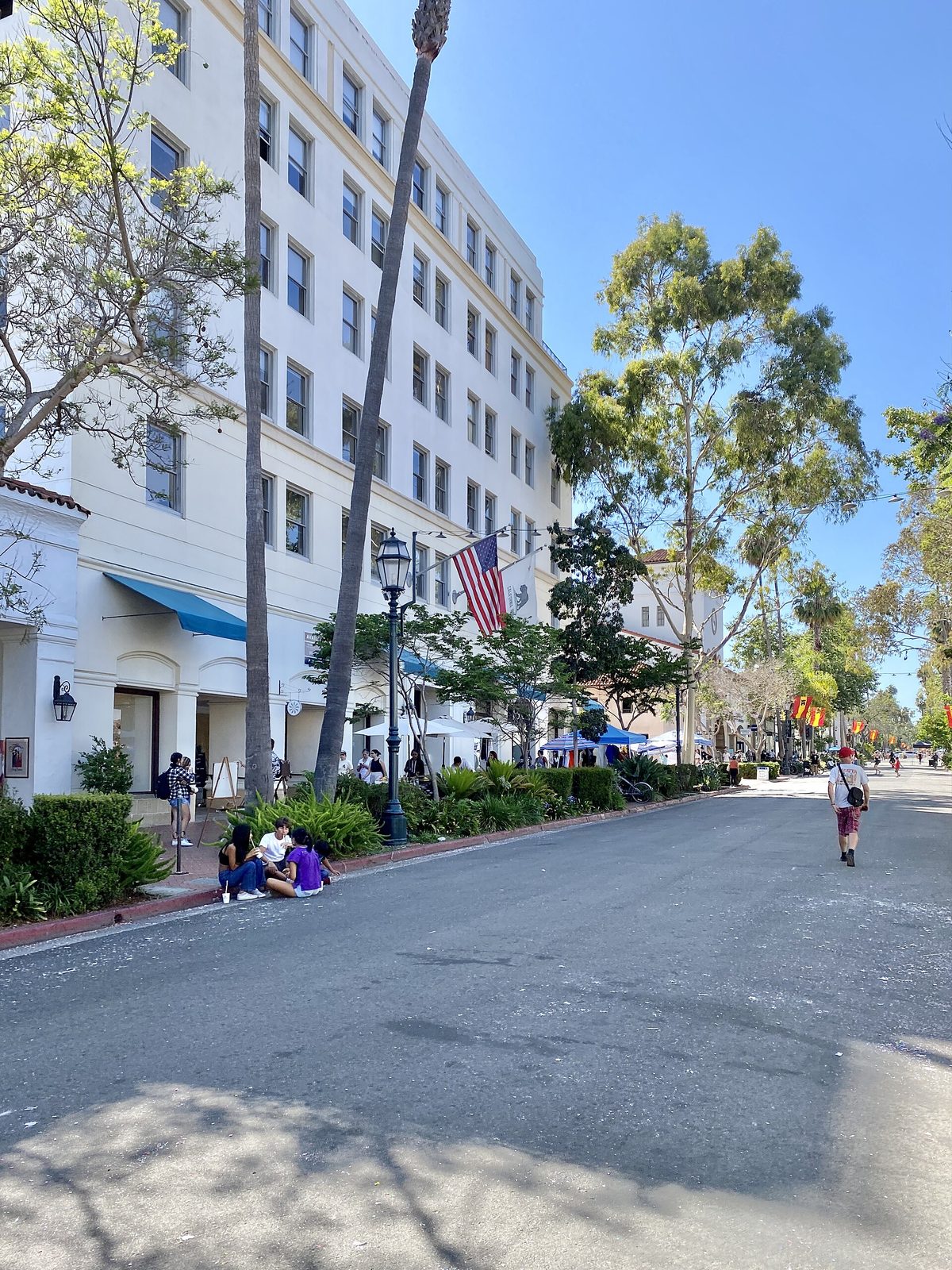
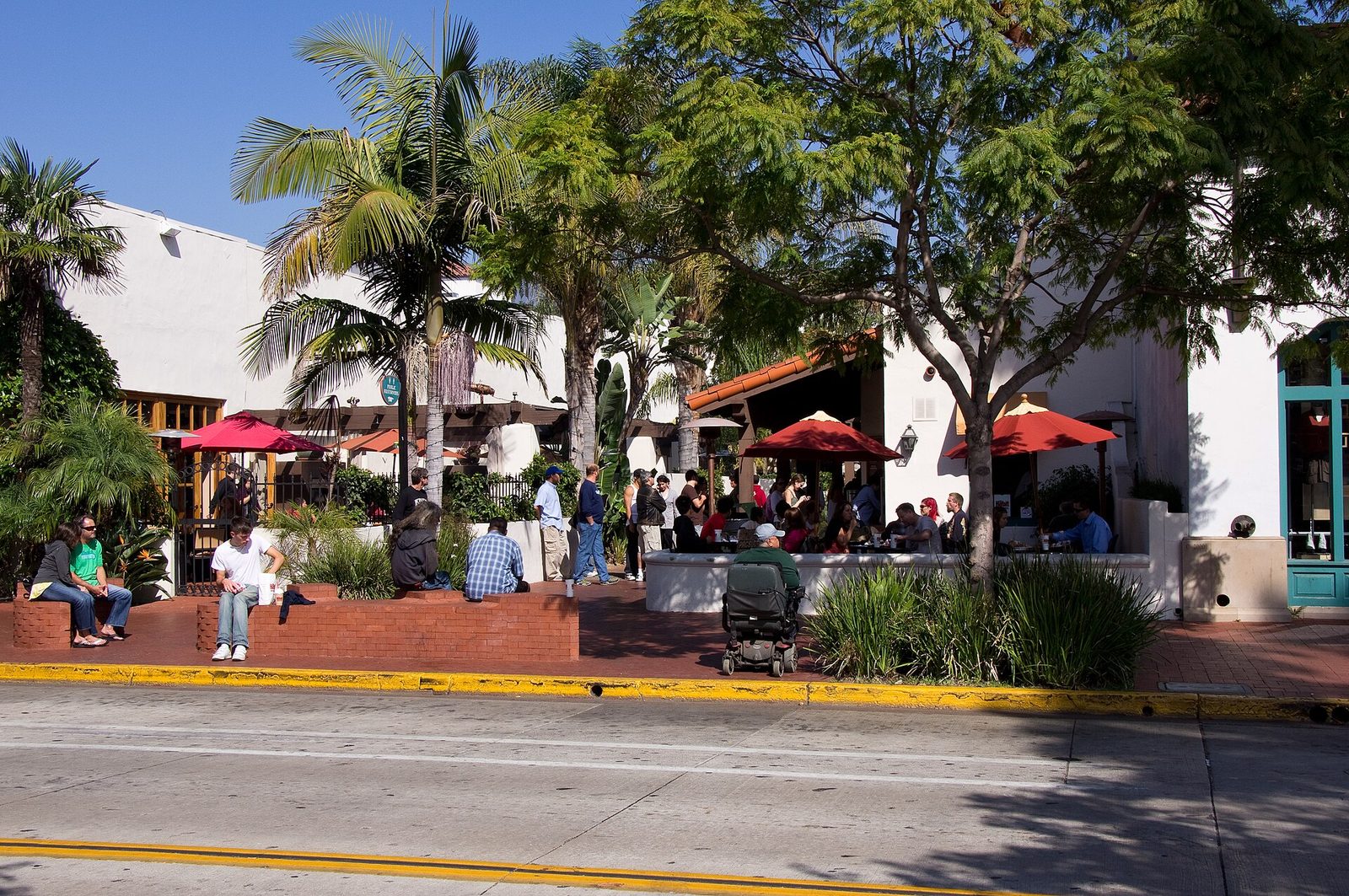
State Street is the city's main commercial thoroughfare and the older of the two stories. In May 2020 the city closed lower State Street to vehicles during the pandemic, and the closure stuck: on June 30, 2026, the city council voted 5 to 2 to keep the pedestrian configuration while work on a permanent plan for the corridor continues. The corridor north of the promenade keeps its retail spine and much of its Spanish Colonial Revival character.
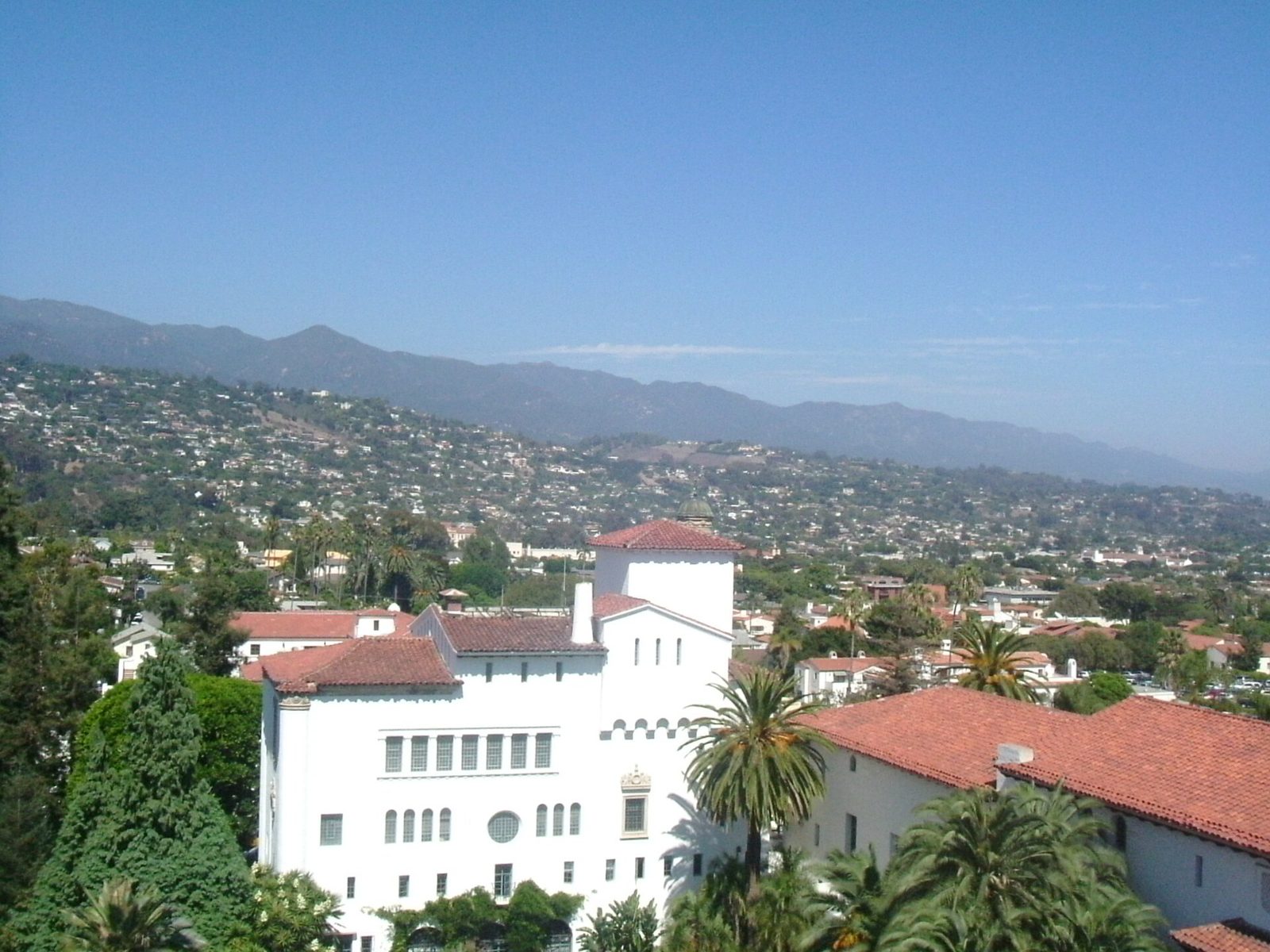
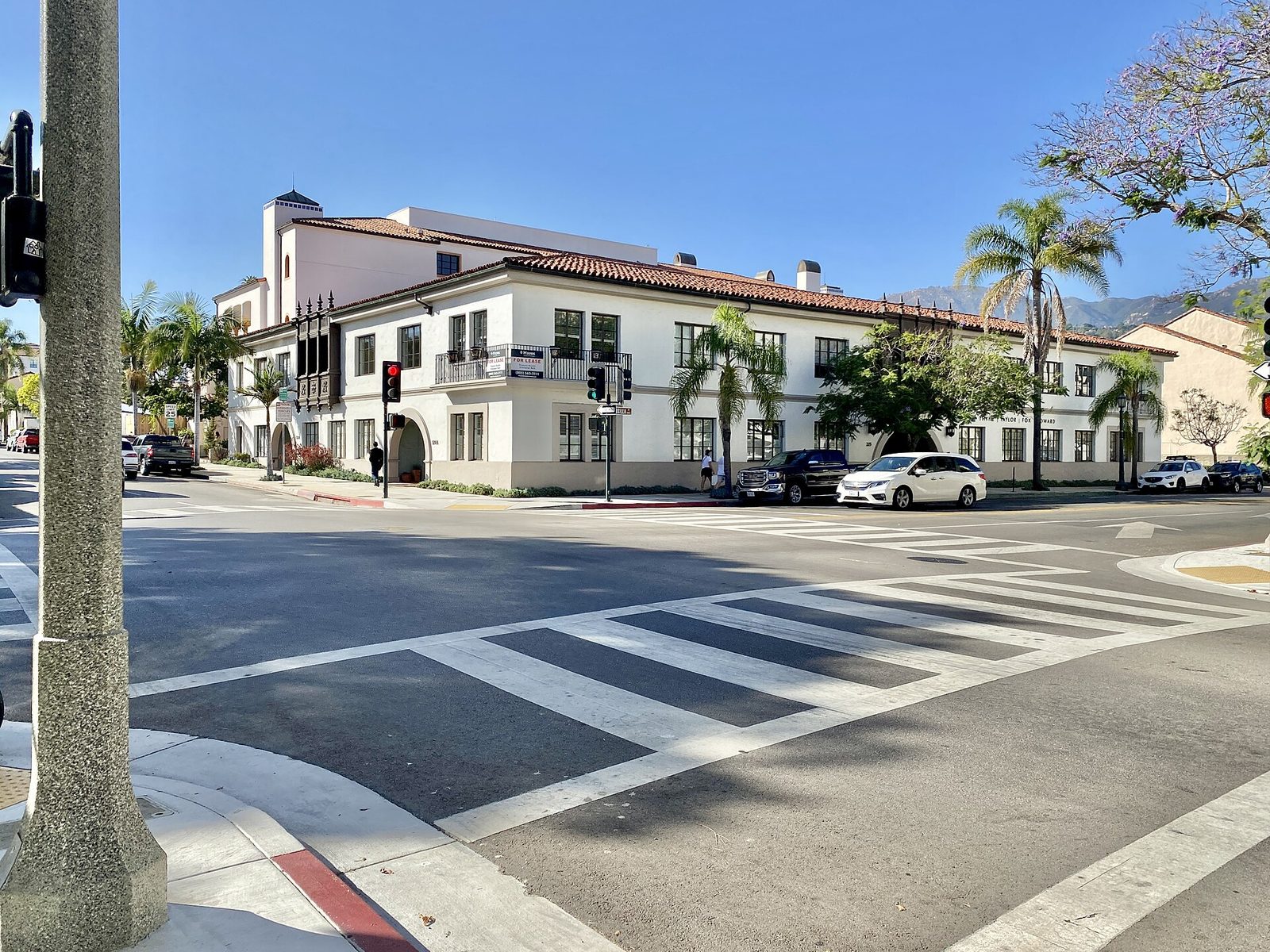
The architecture is the thing both districts share. The Balboa Building at State Street and De La Guerra was completed in 1924 and survived the 1925 Santa Barbara earthquake. It was built in the Classical Revival style and later altered with Spanish Colonial Revival elements. The look continues in the detailing of the street corners and in the street landscaping.
The practical way to read the center is geographic. Start at the County Courthouse for the view over downtown. Walk down State Street to the water. Turn east or west along the waterfront path. And let the Funk Zone, between the rail line and the water, be the reward at the end of the walk.
None to date. The Tribune corrects errors promptly and transparently. Read our corrections policy.