Council Introduces Inclusionary Housing Amendments, With Adoption Set for Dec. 1
The introduced ordinance would require 15 percent of the units in ownership projects of two or more units to be affordable to middle income households, and 10 percent of the units in rental projects of five or more to be affordable to moderate income households. If adopted on Dec. 1, it becomes operative on Feb. 1, 2027.
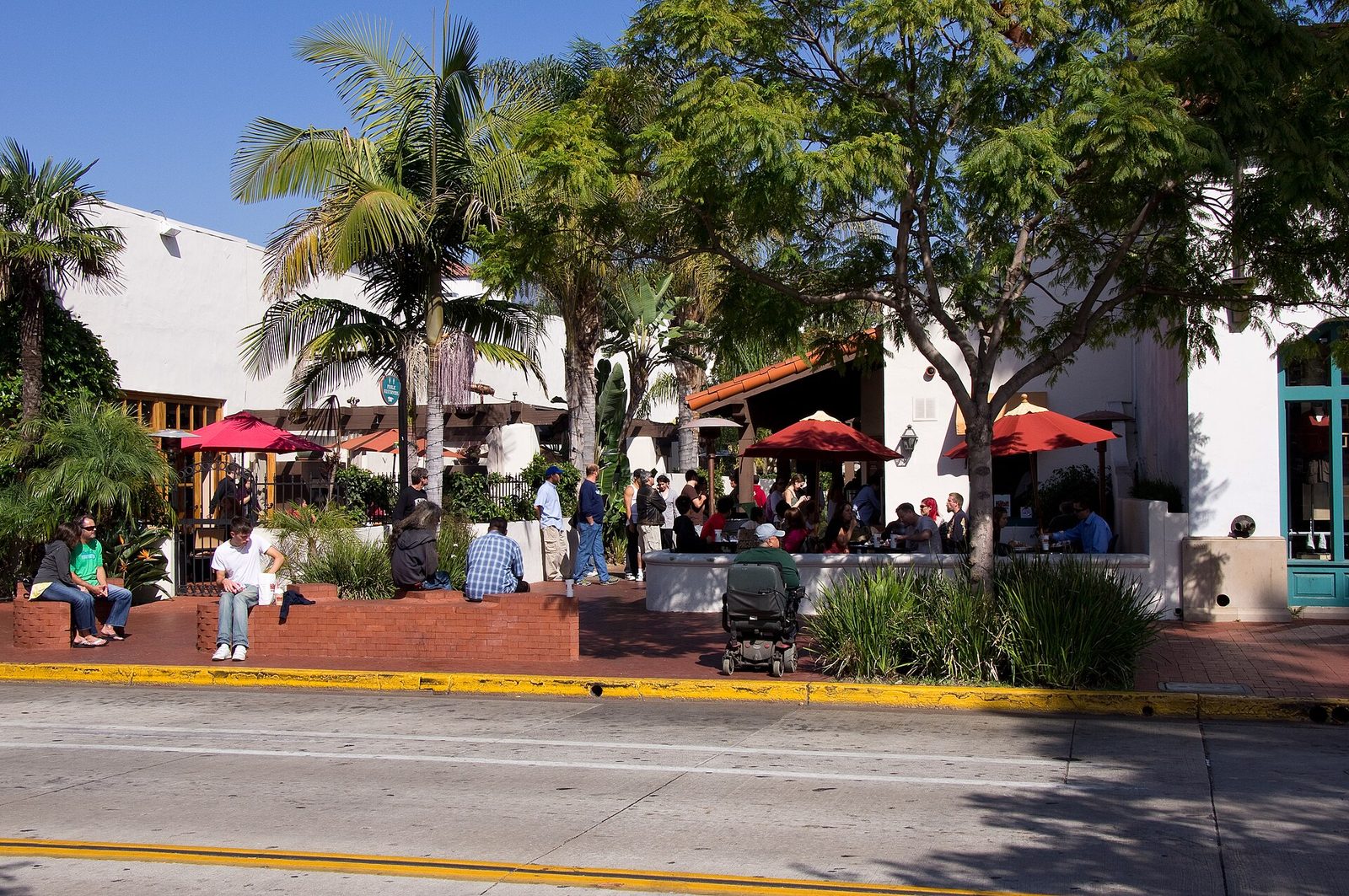
The Santa Barbara City Council introduced the Inclusionary Housing Ordinance Amendments for adoption on Tuesday, Nov. 17, the city announced in a news item on its website. The recommended ordinance is scheduled for adoption at the council hearing on Dec. 1, 2026, and would become operative on Feb. 1, 2027 if adopted. The final ordinances will be posted on the City Council meetings webpage on the Thursday before the adoption hearing, the city said.
Inclusionary housing is the city's long standing requirement that a share of the units in a multi-unit residential development be priced affordably. The city has required it for ownership developments since 2004 and for rental developments since 2019, according to the city's Inclusionary Housing Requirements page, with the existing rules carried in the zoning ordinance at Chapter 30.160 and Chapter 28.43 for ownership projects and Section 30.150.110 for rentals. The affordable share is calculated as a percentage of a project's total units, sold to middle income households in ownership projects or rented to moderate income households in rental projects.
Under the introduced amendments, a multi-unit project proposing two or more ownership units must provide 15 percent of its units at prices affordable to middle income households, and a project proposing five or more rental units must provide 10 percent of its units at rents affordable to moderate income households, the city said. A project may instead skip the affordable units entirely by paying an offset fee. The money goes to the Local Housing Trust Fund, which finances affordable housing for households at very low, low and moderate incomes.
The amendments carry out Housing Element Program HE-13 in the city's 2023-2031 Housing Element, and the city said they further two Housing Element goals, creating new housing and prioritizing affordable housing. Staff evaluated the current requirements before drafting the changes, and the work began with the 2026 Inclusionary Housing and In-Lieu Fee Study, which analyzed the existing ownership and rental requirements and was published and presented to the Planning Commission and the City Council in spring 2026, according to the program page.
The package that reached the council is broader than the percentage rules. Based on the study and on guidance given at public hearings in spring 2026, staff drafted zoning ordinance amendments that also amend the city fee schedule and the Affordable Housing Policies and Procedures, the program page says. The package was presented in summer and fall 2026 and was recommended by both the Planning Commission and the Ordinance Committee before its introduction. Published reports of the Nov. 17 meeting put the accompanying standardized fees at 50 dollars per square foot in lieu fees for projects of 10 or more units and 35 dollars for smaller projects, with offset fees of 91 dollars per square foot for rental projects and 72 dollars for ownership projects.
What remains is the Dec. 1 adoption hearing. Until the council adopts the ordinance, the existing inclusionary requirements stay in force, and the percentages in the introduced text are a recommendation rather than a rule. Builders and housing advocates watching the program will get the final wording when the city posts it the Thursday before the hearing.
None to date. The Tribune corrects errors promptly and transparently. Read our corrections policy.